
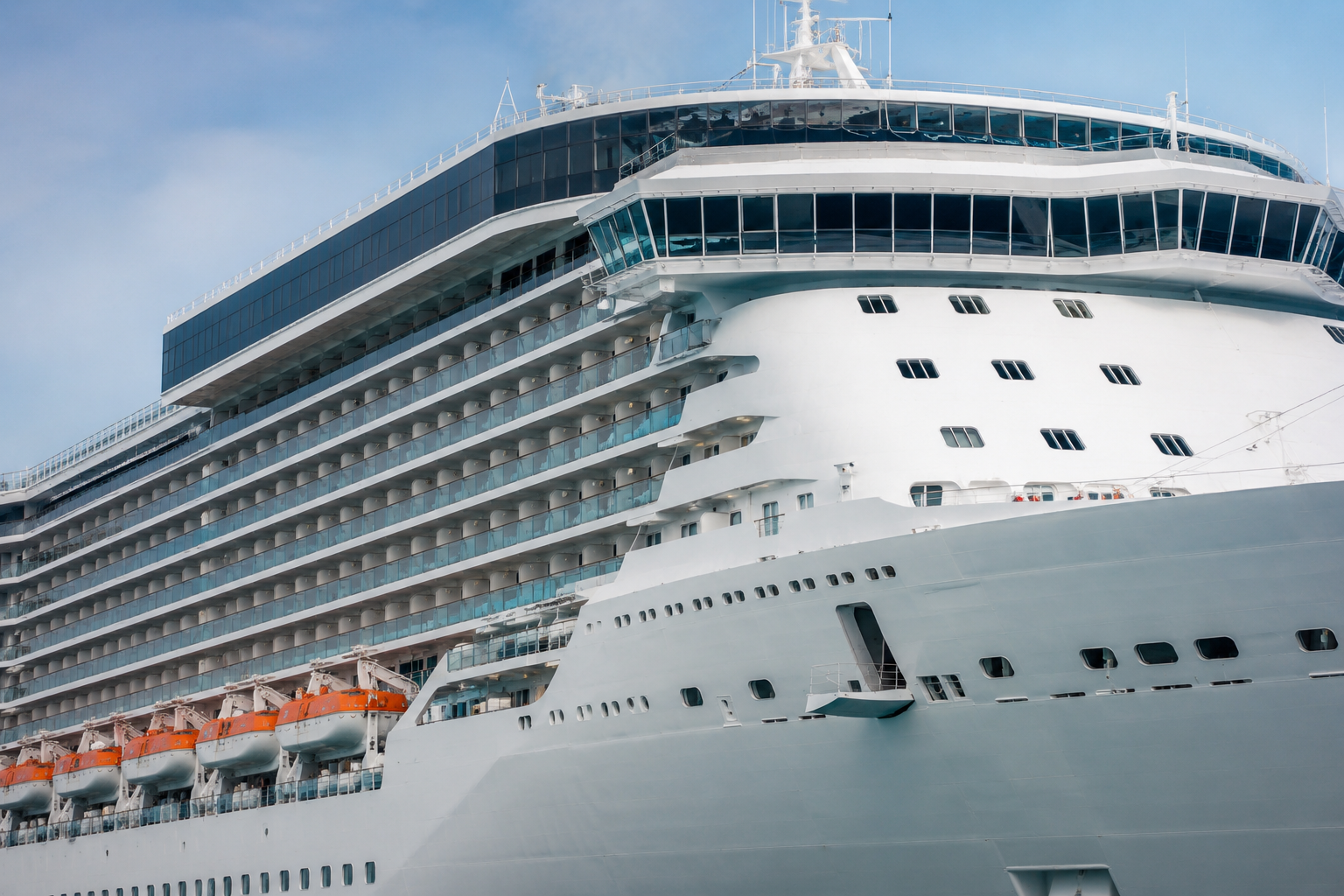
A rare and potentially deadly virus has drawn international attention after multiple deaths and illnesses were linked to a cruise ship stranded off the coast of Africa, raising questions about hantavirus and how it spreads.
Health officials are investigating a suspected outbreak aboard the Dutch expedition cruise ship MV Hondius, which has been anchored near Cape Verde in the Atlantic Ocean after several passengers became seriously ill. The World Health Organization said at least seven cases have been confirmed or are considered suspected, including three deaths.
The ship, operated by Dutch-based Oceanwide Expeditions, was carrying roughly 150 passengers and crew members from more than 20 countries during an Antarctic expedition voyage that began in Argentina. Authorities believe the outbreak may involve the Andes strain of hantavirus, a rare version capable of limited person-to-person transmission.
Most hantavirus infections worldwide are spread through contact with infected rodents, particularly exposure to urine, droppings or saliva. People can become infected after breathing in contaminated particles, especially in enclosed areas where rodents have been present.
In the United States, the virus is most commonly linked to deer mice. However, experts say the Andes strain found in parts of South America differs because it has occasionally shown evidence of spreading between people through close contact.
The MV Hondius outbreak has alarmed global health officials because cruise ships provide confined environments where infectious diseases can spread more easily. According to reports, no rodents have been discovered onboard, increasing concerns that at least some infections may have occurred through close human contact.
Passengers aboard the ship have reportedly been instructed to remain isolated in their cabins while medical crews in protective equipment assess the situation. Cape Verde authorities initially denied the ship permission to dock, and officials have since discussed moving the vessel toward Spain’s Canary Islands for further investigation and treatment efforts.
Symptoms of hantavirus often begin with fever, fatigue, headaches and muscle aches. Some patients later develop coughing and severe shortness of breath as fluid builds in the lungs, a condition known as Hantavirus Pulmonary Syndrome, or HPS.
The Centers for Disease Control and Prevention says the disease can be fatal in roughly one-third of severe respiratory cases. There is currently no specific cure or vaccine for hantavirus infections, though early medical treatment can improve survival chances.
The virus first gained major attention in the United States during a 1993 outbreak in the Southwest that killed several healthy young adults. Investigators later traced the infections to deer mice carrying hantavirus.
Cases remain rare in the U.S., but health experts continue warning people to avoid direct exposure to rodents and to safely clean areas contaminated by rodent waste using disinfectants rather than sweeping or vacuuming, which can spread virus particles into the air.
As the investigation aboard the MV Hondius continues, international health officials are monitoring whether the outbreak represents one of the rare instances of possible human-to-human hantavirus transmission in a maritime setting.