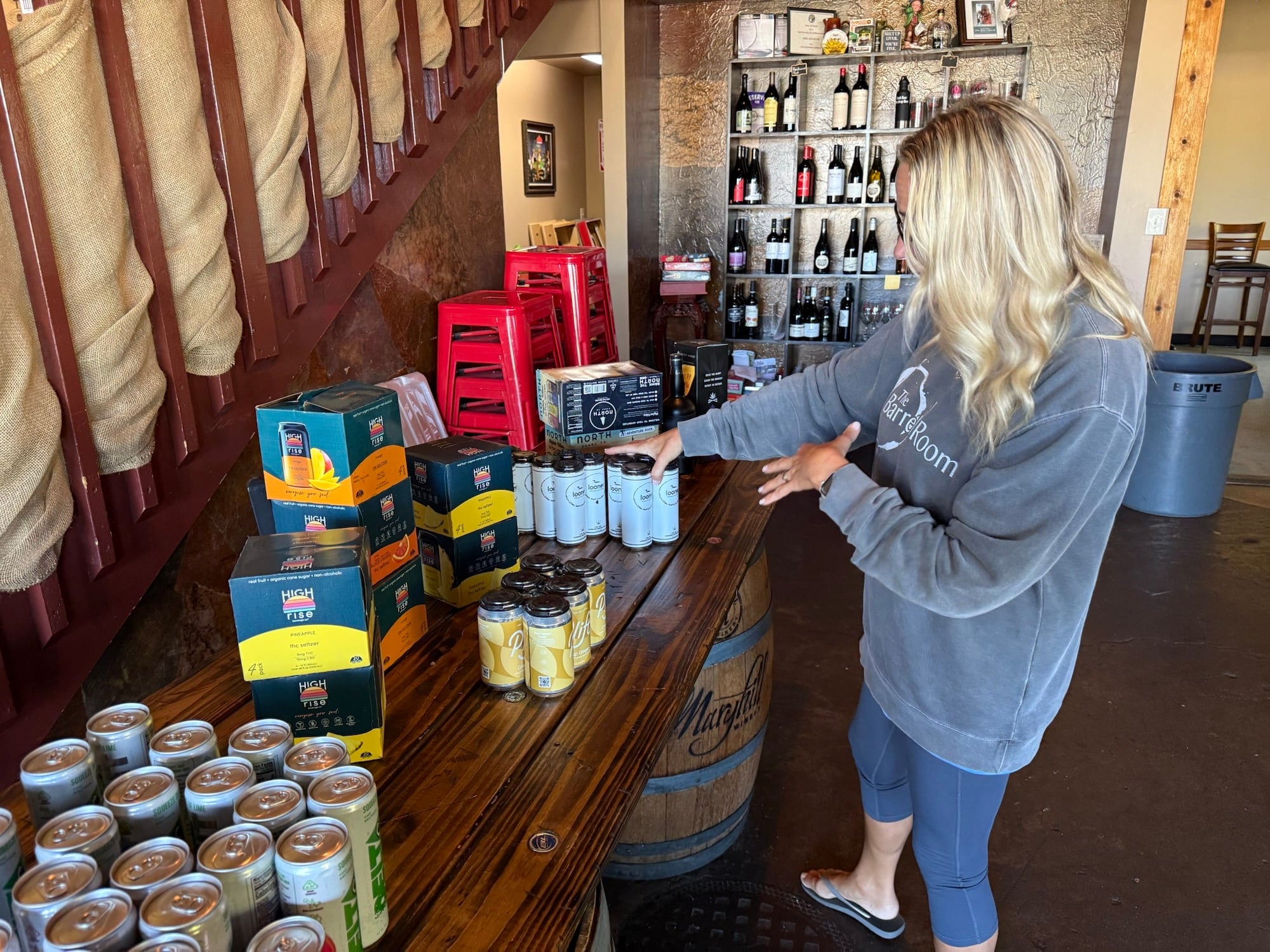
Just a year after she introduced THC-infused drinks to her menu, Keri Sullivan’s bar is being forced to pull them from the shelves.
Sullivan, owner of The Barrel Room located in North Canton, said she began offering THC beverages in the fall of 2024 after noticing a shift among younger patrons who were drinking less alcohol.
“We were seeing fewer people order traditional drinks,” Sullivan said. “The THC options gave customers a different way to relax—something that felt healthier and more controlled.”

That experiment ended this month when Ohio Gov. Mike DeWine declared an Adulterated Consumer Product Emergency, ordering all retailers to stop selling intoxicating hemp products—such as drinks or edibles containing delta-8 and delta-9 THC—by Tuesday, Oct. 14.
The State’s Crackdown
Under the executive order, DeWine cited a sharp increase in THC-related poison control calls involving minors, including hundreds of cases involving children under age 5. He said the largely unregulated market for intoxicating hemp “bypasses” Ohio’s voter-approved marijuana laws, which restrict sales to licensed dispensaries and customers over 21.
“Intoxicating hemp products are known to have significant impacts on young, developing brains,” DeWine said in a statement. “These products are legally marketed to kids, sold to kids, and ingested by kids in Ohio.”
Retailers who continue selling the banned items could face $500 daily fines once enforcement begins. The emergency rule—intended to last up to 90 days—gives the Ohio Department of Agriculture power to seize noncompliant products still being sold.
A Blow to Small Businesses
For Sullivan, the order was a gut punch. She said she learned about the coming ban through a distributor and a former customer, just as demand for THC drinks was peaking.
“We stopped ordering new stock right away, but it was frustrating,” she said. “The timing couldn’t have been worse—we finally had something that brought people back through the doors.”

Sullivan added that the drinks had given her establishment a modest but noticeable boost in business since last year. Many customers viewed them as a lower-calorie, nonalcoholic way to unwind.
“Some of my regulars are sober—20 or 30 years sober—and they told me these THC drinks gave them a way to socialize again without alcohol,” she said. “It wasn’t about getting high. It was about feeling relaxed and part of the crowd.”
Delta-8 vs. Delta-9: What’s the Difference?
Sullivan emphasized that not all THC products are created equal.
“Delta-9 THC is naturally derived from hemp and regulated,” she said. “Delta-8, on the other hand, is synthetic. That’s the one that should’ve been the concern.”
She said she believes state regulators should have taken a more targeted approach—cracking down on unregulated or synthetic products, while allowing businesses like hers to continue selling naturally derived, responsibly sourced THC beverages.
“These products were tested, labeled, and sold only to adults with ID,” Sullivan said. “We treated them just like alcohol. I think that’s what the state should be doing—regulating, not banning.”
Looking Ahead
Sullivan worries the ban will drive customers to unregulated online markets or out-of-state retailers. She also fears a financial hit as her bar adapts to the loss of one of its most popular product lines.
Still, she’s hopeful that policymakers might reconsider.
“If we can educate people about the differences and show that responsible businesses can do this safely, maybe there’s a path forward,” she said.
Until then, The Barrel Room is preparing to comply with the state order—and bracing for possibly slower nights.
“People loved those drinks,” Sullivan said. “And honestly, I can’t blame them.”